Gambling Counselling & Behavioral Therapy
Comprehensive 1,000+ word guide on gambling counselling, Cognitive Behavioral Therapy (CBT), finding licensed counselors in India, and family therapy options.
🧠 Professional Clinical Support
Behavioral counselling provides structured, scientific tools to overcome compulsive gambling. To connect with certified counselors across India, call Tele-MANAS at 14416 (Toll-Free 24/7).
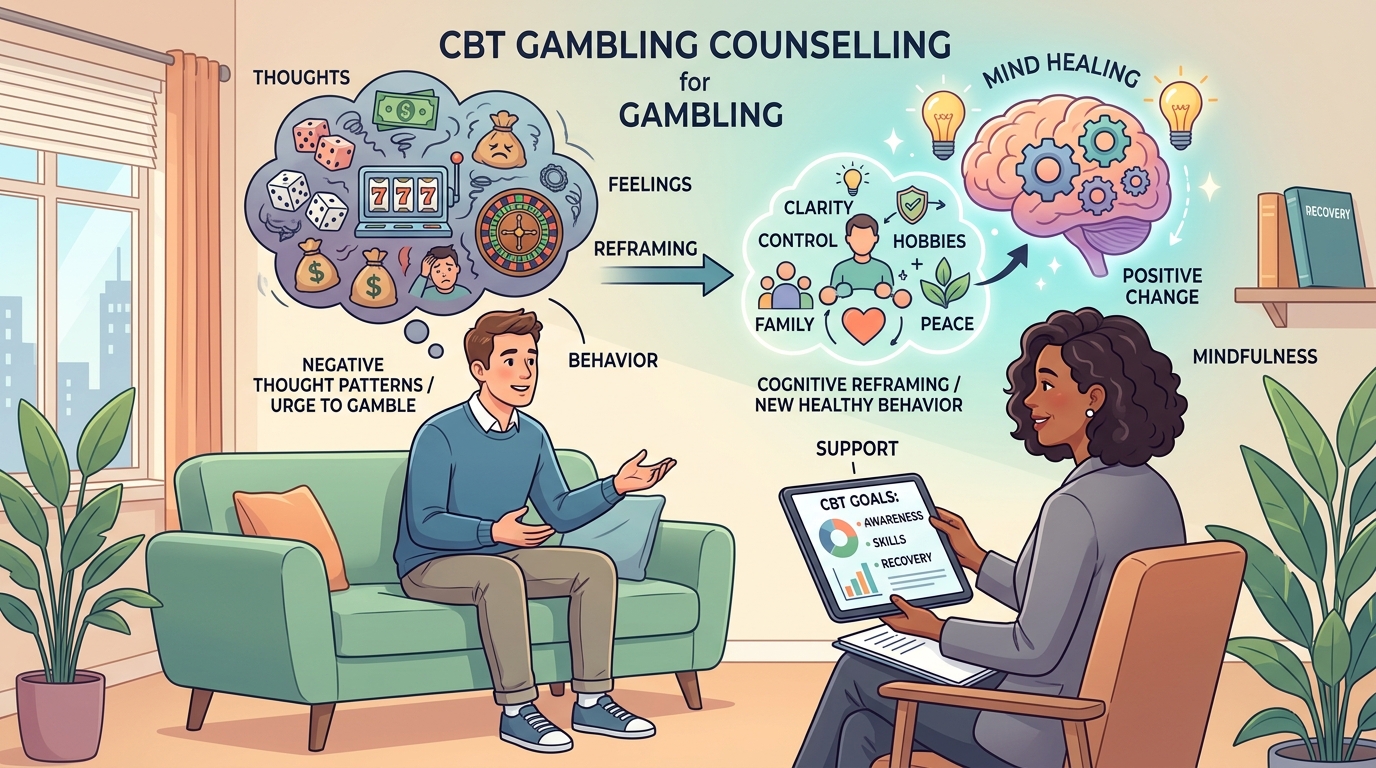
What Is Gambling Counselling & How Does It Work?
Gambling counselling is a specialized form of psychological therapy designed to help individuals understand, manage, and overcome compulsive gambling behavior. When individuals regularly track outcomes on Disawar Satta Chart, Gali Satta Chart, or Satta King Chart 2026, psychological patterns often develop around stress avoidance and financial anxiety.
Professional therapy provides a safe, confidential environment to deconstruct these behavioral cycles without judgment. Counselors work collaboratively with clients to develop healthy coping mechanisms and repair relationships affected by financial strain.
Primary Therapeutic Approaches Used in Gambling Counselling
1. Cognitive Behavioral Therapy (CBT)
Cognitive Behavioral Therapy (CBT) is considered the gold standard in treating gambling disorder. CBT operates on the premise that thoughts, feelings, and actions are interconnected. In the context of Satta participation, CBT addresses core cognitive distortions:
- Illusion of Control: Overcoming the belief that analyzing past draw charts like Faridabad Satta or Ghaziabad Satta unlocks predictable patterns. As explained in our Deep Satta Terminologies Guide, all 2-digit draws represent independent random events.
- Chasing Losses: Identifying the mental trap where participants believe continuing to play is the only way to recover lost capital. Learn debt management on our Financial Recovery Tips Guide.
- Selective Recall: Reframing the tendency to remember past wins while ignoring far larger cumulative financial losses.
2. Motivational Interviewing (MI)
Motivational Interviewing helps clients resolve ambivalence about quitting. Counselors guide participants to align their daily actions with their core personal values, family commitments, and financial goals.
3. Family & Systemic Counselling
Gambling addiction frequently damages family trust and financial security. Systemic family counselling helps rebuild transparent communication, establishes healthy boundaries, and guides partners on protecting shared assets.
What to Expect During Your First Counselling Session
- Initial Assessment: The therapist evaluates your gambling history, financial situation, emotional triggers, and stress levels.
- Goal Setting: Together, you define clear recovery goals (e.g., complete abstinence, digital detox, financial stabilization).
- Action Plan Development: You receive concrete daily exercises, urge-control techniques, and homework assignments.
- Ongoing Monitoring: Weekly sessions track progress, address obstacles, and refine relapse prevention strategies.
Finding Certified Counselors & Free Services in India
Accessing quality mental health support in India has become significantly easier through public health initiatives:
- Tele-MANAS (Govt. of India): Call 14416 or 1800-891-4416 for 24/7 free counseling in 20+ languages. Visit Tele-MANAS Web Portal.
- NIMHANS Centre for Addiction Medicine: Located in Bengaluru. Offers outpatient and inpatient clinical care. Call 080-26995000 or visit NIMHANS Official Website.
- State Mental Health Authorities: District Mental Health Programs (DMHP) operate free counseling clinics across major government hospitals nationwide.
Frequently Asked Questions (FAQ)
Q1: How many counselling sessions are needed to overcome gambling addiction?
Answer: Most structured CBT programs range between 8 and 16 weekly sessions, depending on individual progress, commitment, and external support systems.
Q2: Can I receive gambling counselling online or over the phone?
Answer: Yes. Government initiatives like Tele-MANAS (14416) offer free, high-quality phone counseling. Many clinical psychologists also offer private video sessions.
Q3: What is the difference between counselling and support groups?
Answer: Counselling is led by a licensed mental health professional who delivers evidence-based clinical therapy (like CBT). Support groups (like Gamblers Anonymous) are peer-led communities sharing lived experiences. Both complement each other effectively. Explore more on Gambling Addiction Help.