Gambling Addiction Help: Clinical Guidance & Support Resources
Comprehensive 1,000+ word resource guide on diagnosing gambling addiction, clinical treatment options, family support strategies, and free national helplines.
MD Immediate Medical & Crisis Support
Compulsive gambling is a treatable medical condition recognized by the World Health Organization (WHO). If you are experiencing acute emotional distress or financial crisis, connect immediately with licensed mental health experts via Tele-MANAS (14416) or NIMHANS (080-26995000).
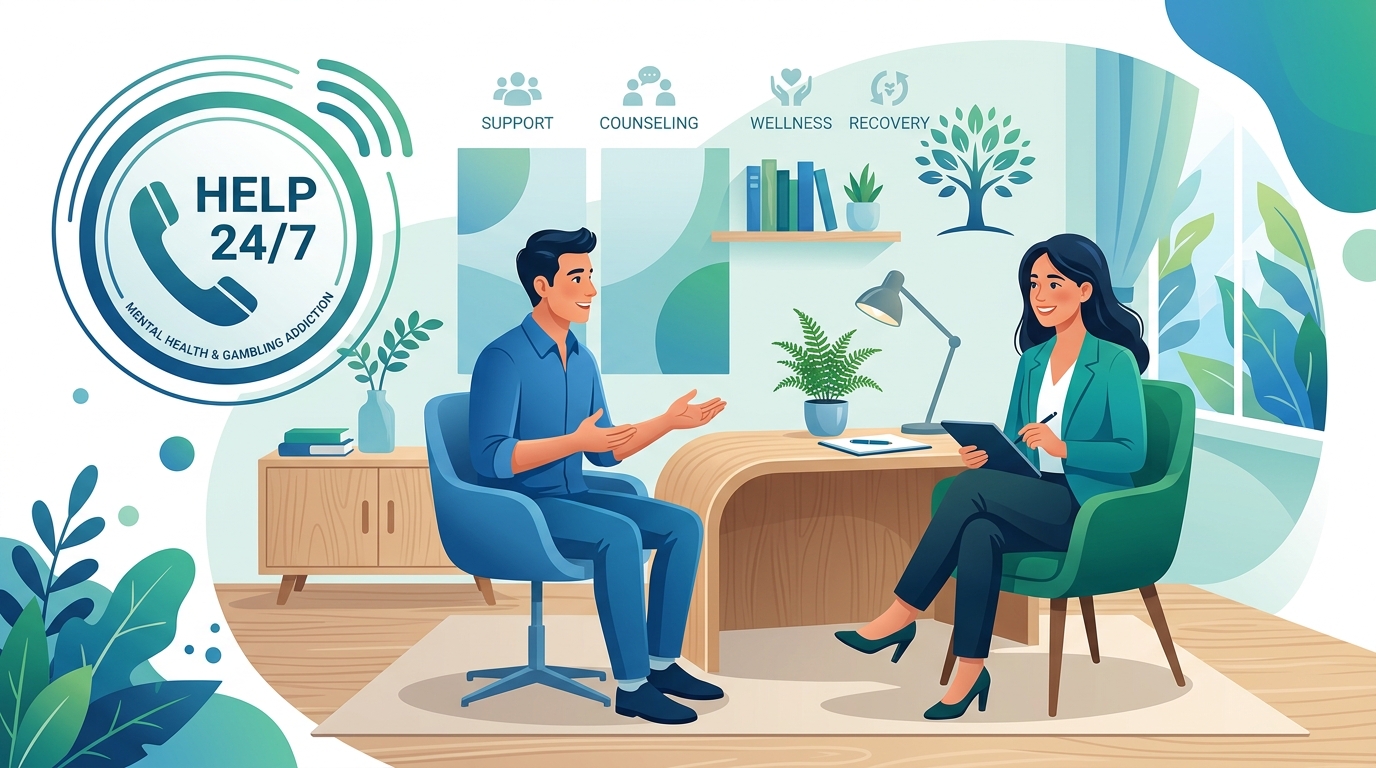
What Is Gambling Disorder? Clinical Definition & Diagnosis
Gambling disorder (often referred to as compulsive gambling or gambling addiction) is classified under impulse-control disorders in the DSM-5 (Diagnostic and Statistical Manual of Mental Disorders). It occurs when an individual continues participating in high-risk games—such as tracking Disawar Satta Chart or Gali Satta Chart—despite severe negative consequences to their financial health, relationships, or career.
According to the World Health Organization's WHO Gambling Disorder Guidelines, compulsive participation impairs control over frequency, intensity, duration, and termination of gambling behavior.
📋 Clinical Diagnostic Indicators (DSM-5)
- Need to gamble with increasing amounts of money to achieve desired excitement.
- Restlessness or irritability when trying to cut down or stop.
- Repeated unsuccessful efforts to control, cut back, or quit.
- Preoccupation with gambling (e.g., constantly thinking about Satta King Chart 2026 archives).
🏥 Proven Treatment Pathways
- Cognitive Behavioral Therapy (CBT): Restructures underlying cognitive distortions.
- Motivational Interviewing (MI): Enhances internal commitment to change.
- Financial Restructuring: Protects assets via legal custodianship.
- Peer Support Groups: Provides non-judgmental community recovery.
Types of Professional Help Available in India
1. Outpatient Behavioral Therapy
Outpatient therapy involves weekly sessions with a clinical psychologist or psychiatrist specializing in addiction medicine. Practitioners utilize Cognitive Behavioral Therapy (CBT) to help patients identify emotional triggers, challenge irrational beliefs about probability in games like Faridabad Satta or Ghaziabad Satta, and develop coping strategies. Discover more on our Gambling Counselling Guide.
2. Residential Rehabilitation & Inpatient Care
For individuals facing severe, long-term addiction accompanied by severe depression or debt, residential rehabilitation centers offer 30-to-90-day structured recovery programs. Institutions such as the NIMHANS Centre for Addiction Medicine in Bengaluru provide specialized medical supervision, detox support, and family counselling.
3. Tele-Mental Health & 24/7 Digital Helplines
Government initiatives like Tele-MANAS offer instant, confidential phone counseling in multiple Indian languages. For immediate assistance, refer to our comprehensive Gambling Addiction Helpline Directory.
Family & Partner Support: How to Help Without Enabling
Families are often severely impacted when a relative develops compulsive gambling habits around markets like Shri Ganesh Satta or Delhi Bazar Satta. Loved ones can follow these evidence-based guidelines to support recovery while safeguarding household stability:
- Take Control of Household Finances: Temporarily manage bank accounts, credit cards, and legal assets to prevent money from being diverted to gambling.
- Avoid Bailing Out Debt: Paying off a gambler's debts without underlying behavioral treatment often enables continued participation. Instead, consult our Financial Recovery Tips Guide for legal debt restructuring options.
- Encourage Professional Medical Help: Gently guide your family member toward medical assessment at a recognized mental health institution.
- Set Firm Emotional & Financial Boundaries: Clearly communicate acceptable behaviors and stick to agreed-upon boundaries.
National & International Health Authority References
- Tele-MANAS Helpline (Ministry of Health): Toll-free 14416 / 1800-891-4416. Visit Tele-MANAS Portal.
- NIMHANS Addiction Medicine Centre: Call 080-26995000 or visit NIMHANS Official Site.
- World Health Organization (WHO): Read international research on WHO Gambling Disorder Fact Sheet.
- Ministry of Law & Justice India: Official statutory framework at Ministry of Law & Justice.
Frequently Asked Questions (FAQ)
Q1: How do I know if my participation in Satta has crossed into addiction?
Answer: If you find yourself constantly thinking about draw results, spending money reserved for essential living expenses, lying to family, or unable to stop despite wanting to, you meet clinical criteria for gambling disorder. Explore recovery steps on our How to Quit Satta Guide.
Q2: Is helpline counseling confidential in India?
Answer: Yes. Government services such as Tele-MANAS (14416) adhere to strict medical confidentiality standards under the Mental Healthcare Act of 2017. For contact details, visit our Helpline Directory.
Q3: Can financial counseling help if I have accumulated debt from Satta?
Answer: Absolutely. Financial counselors help structure manageable debt repayment plans and protect assets. See our actionable advice on Financial Recovery Tips.